



Collection
Manufacturing




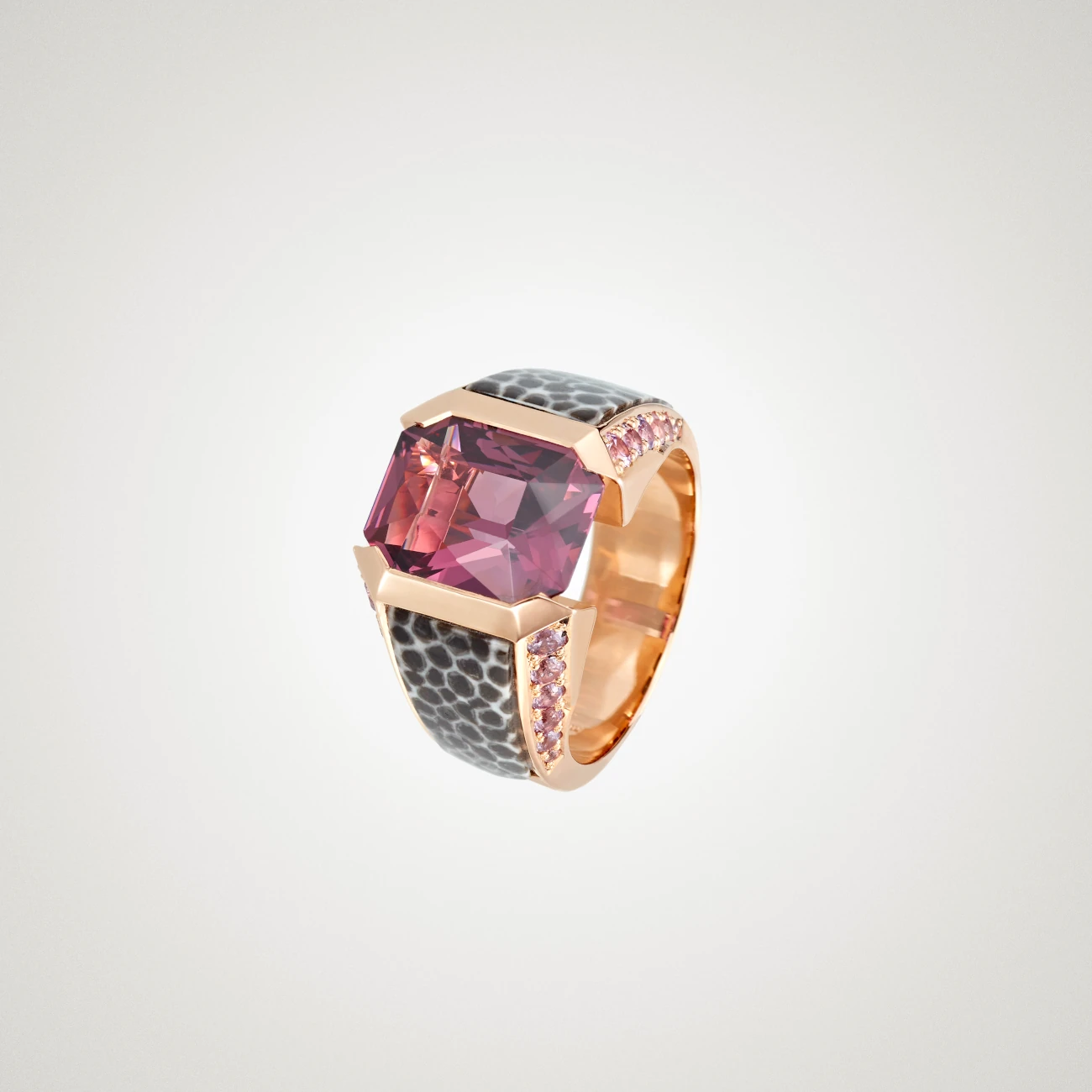
Coral
A Spinel, pink sapphires and petrified coral in rose gold
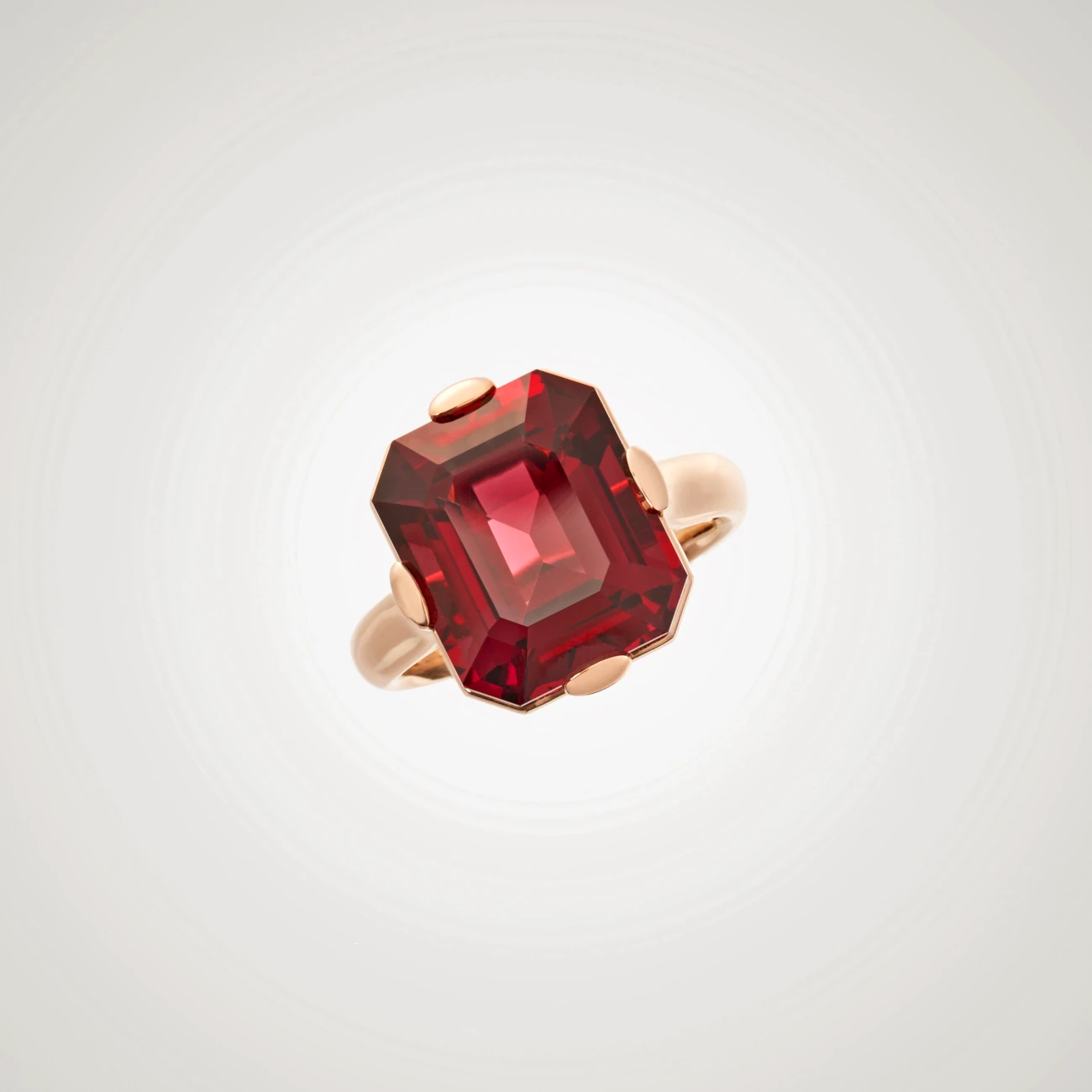
Red Velvet
Garnet in rose gold
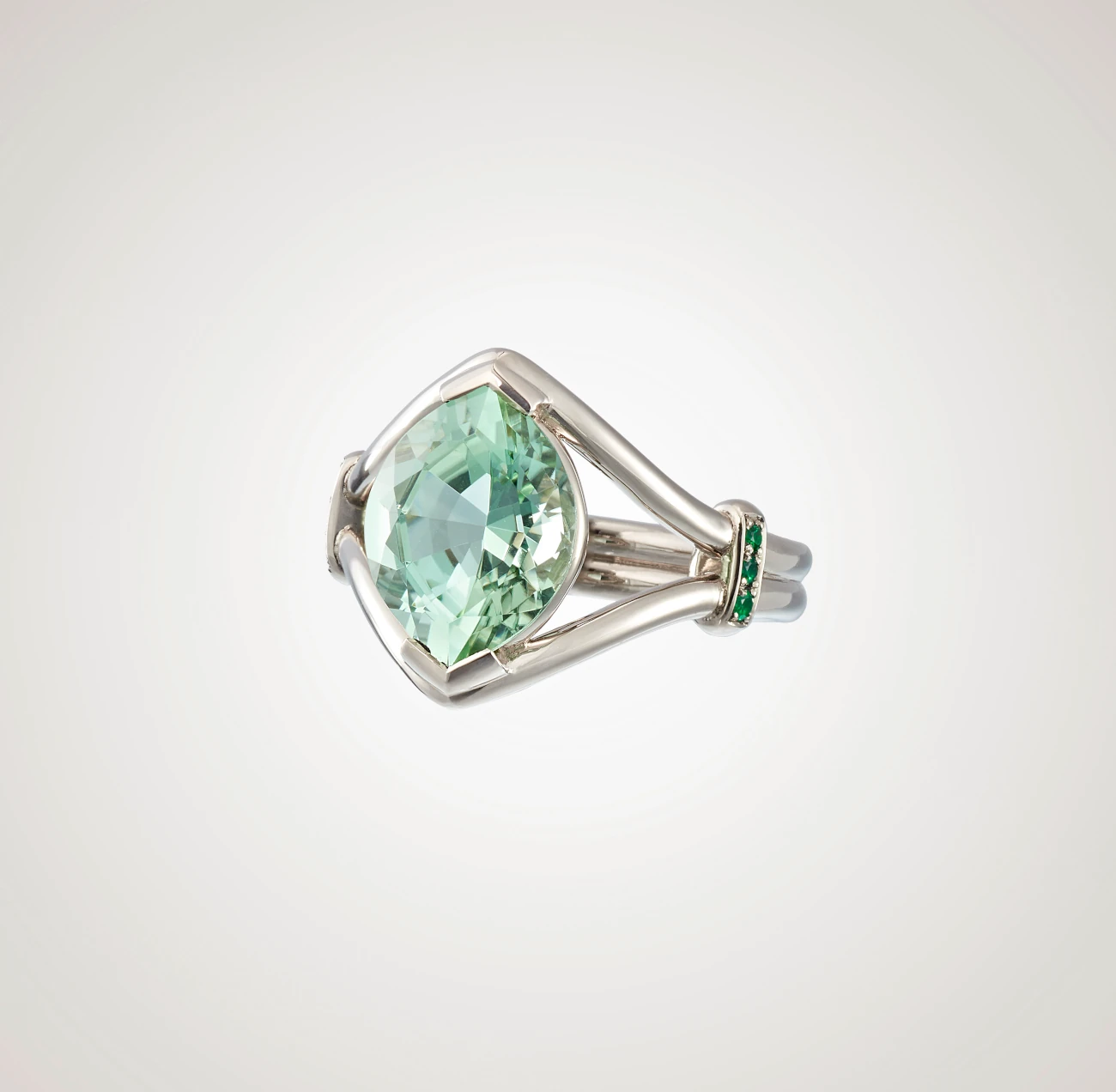
Spring
Peridot and demantoids in white gold
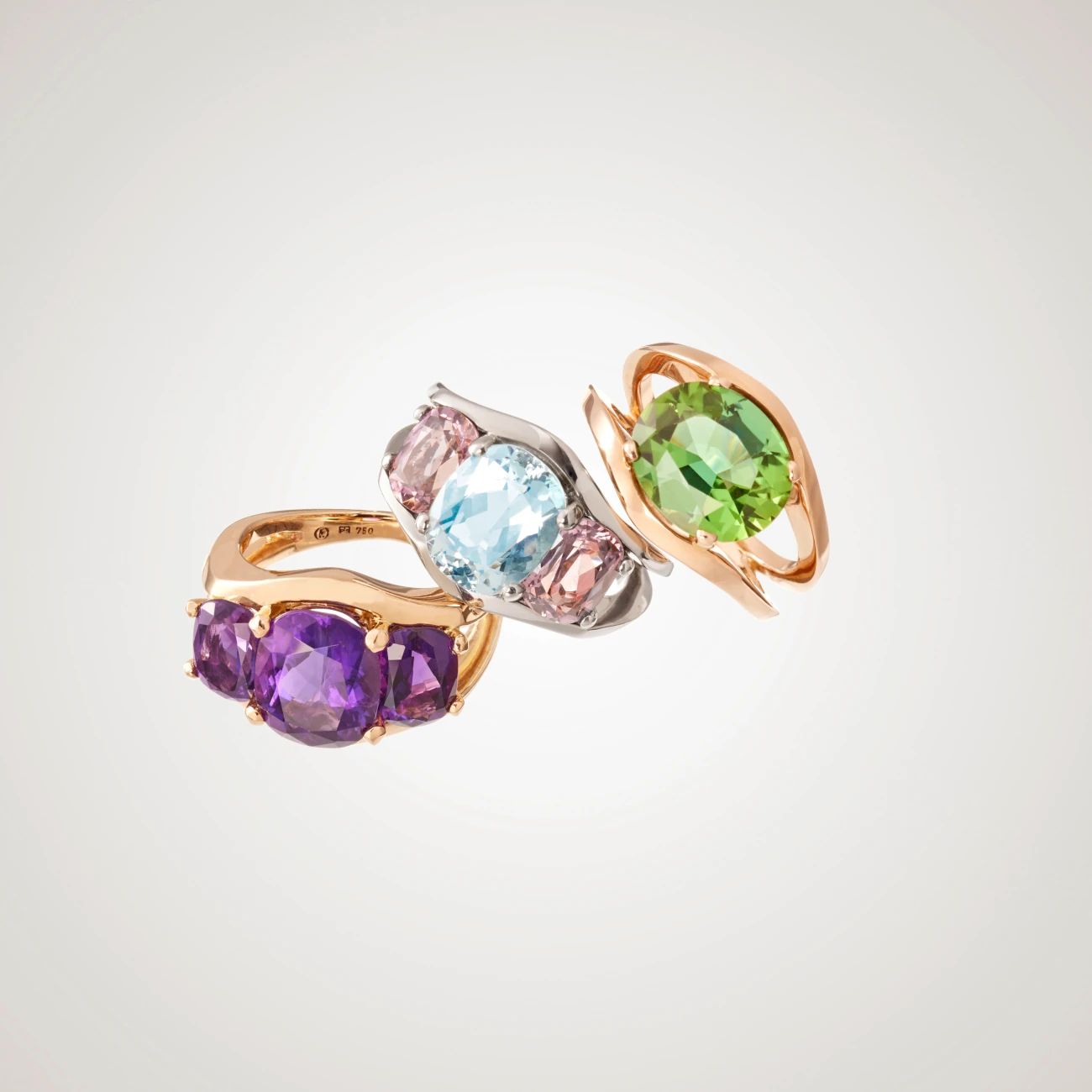
Colored Candy
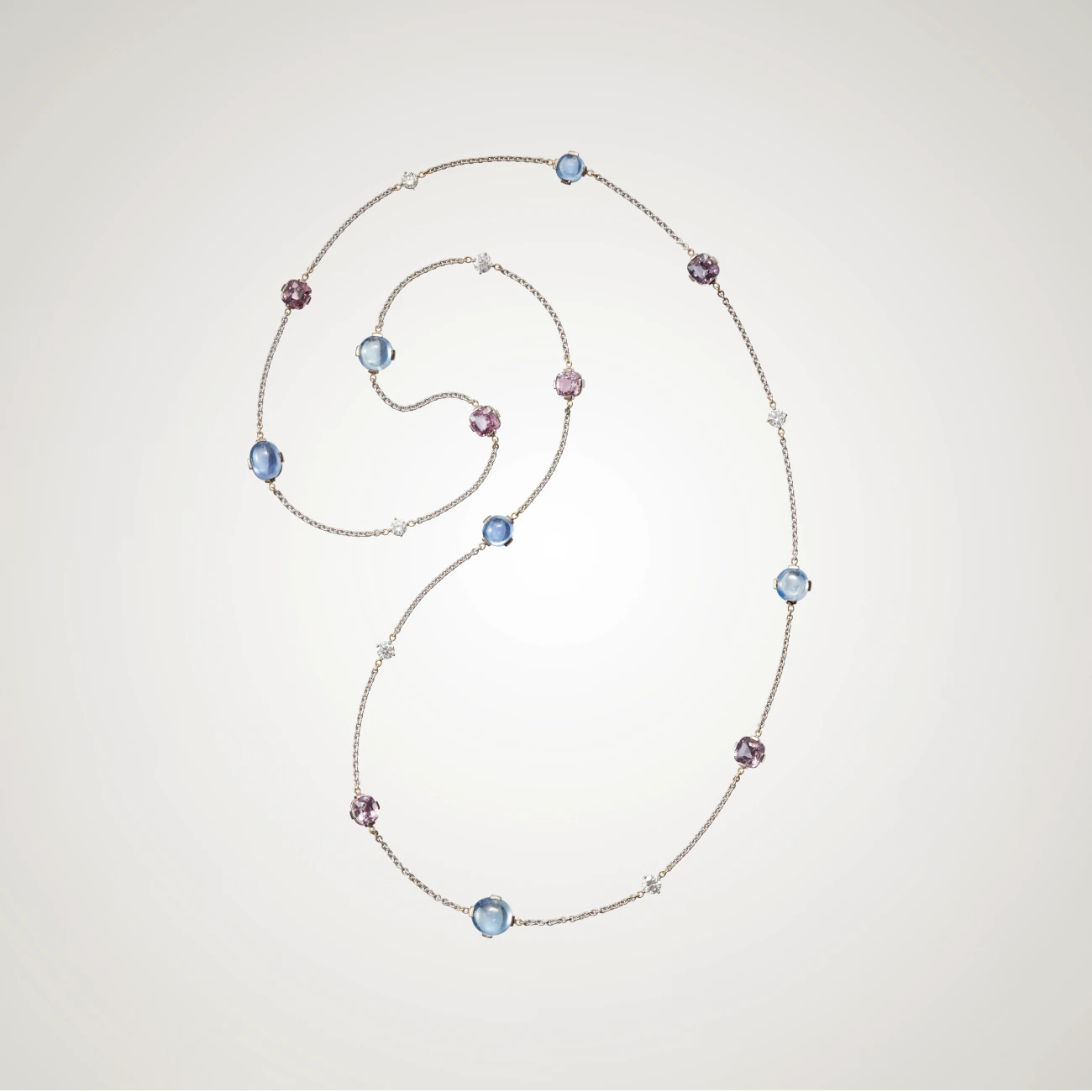
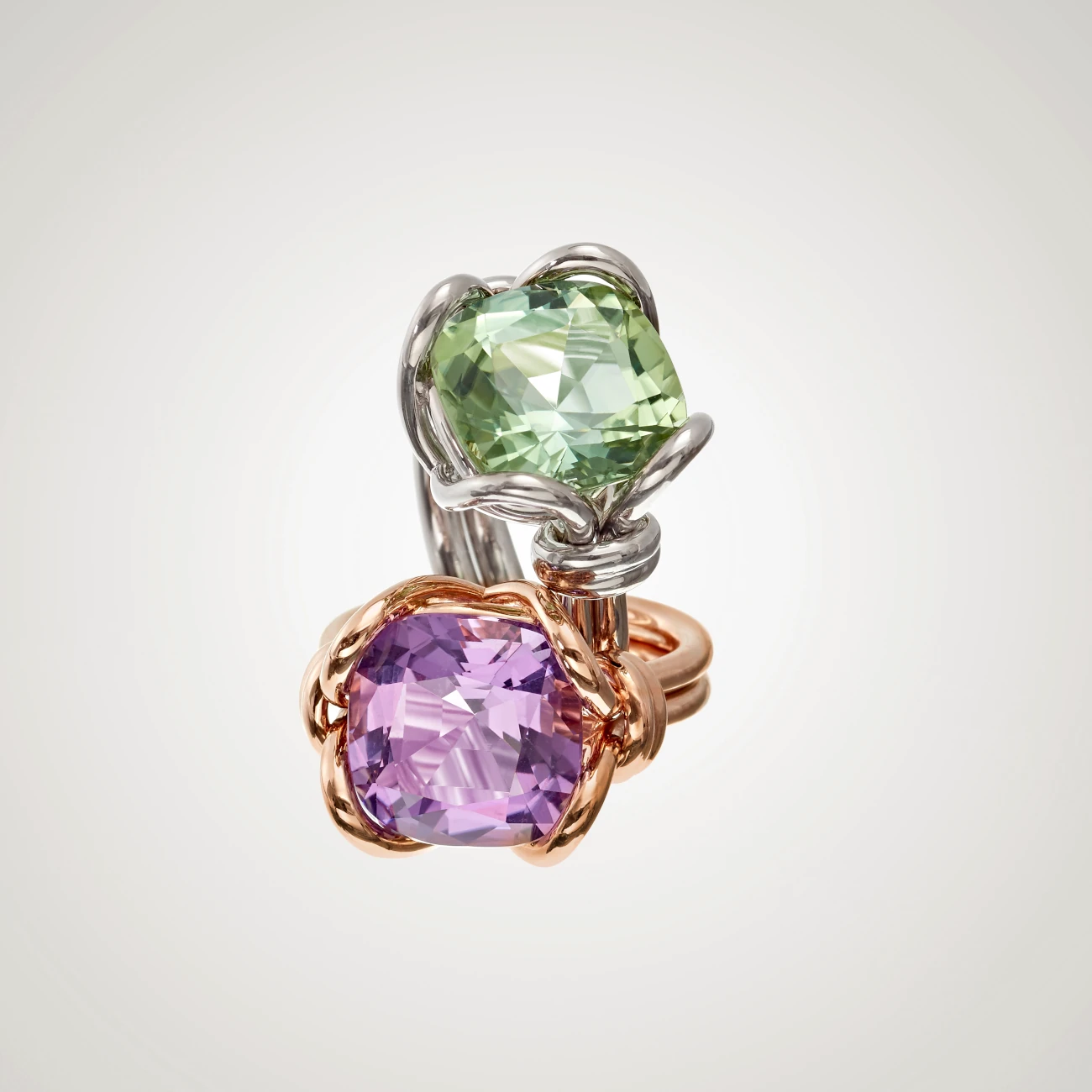
Amethysts, an aquamarine with spinels and a green tourmaline
in rose, white- or yellow gold
in rose, white- or yellow gold
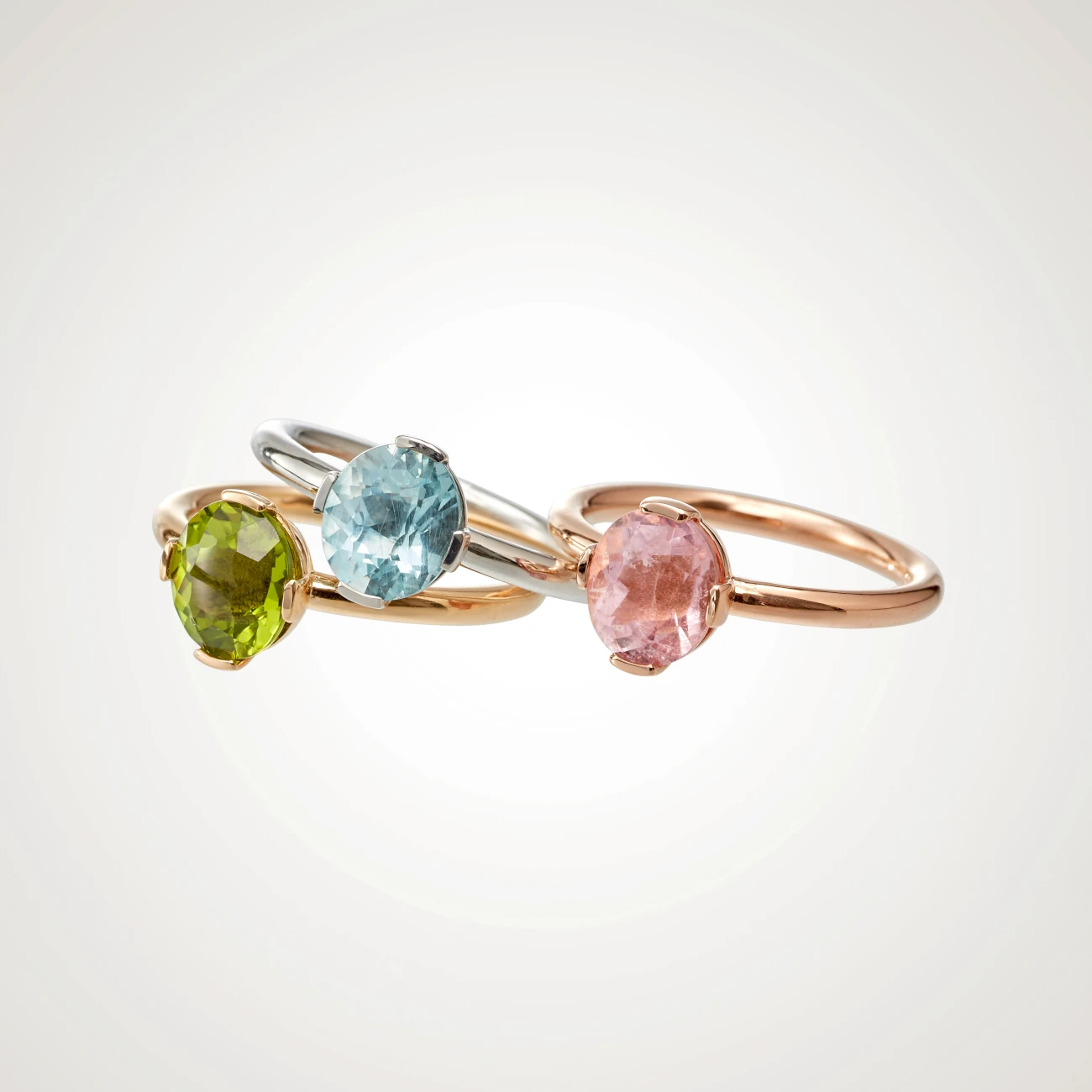
Jeu Dor 1
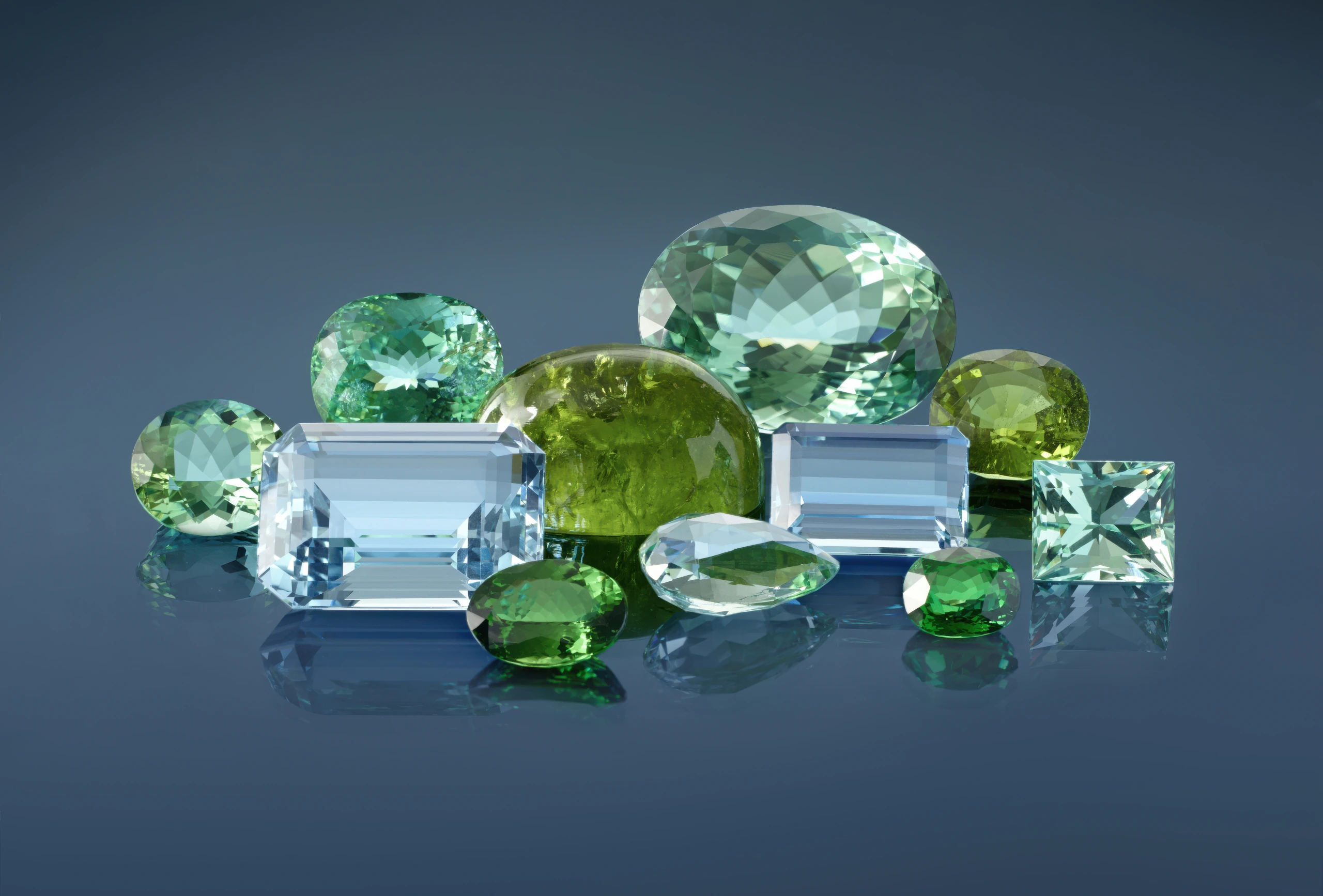
Peridot, aquamarine or tourmaline in yellow gold, platinum or rose
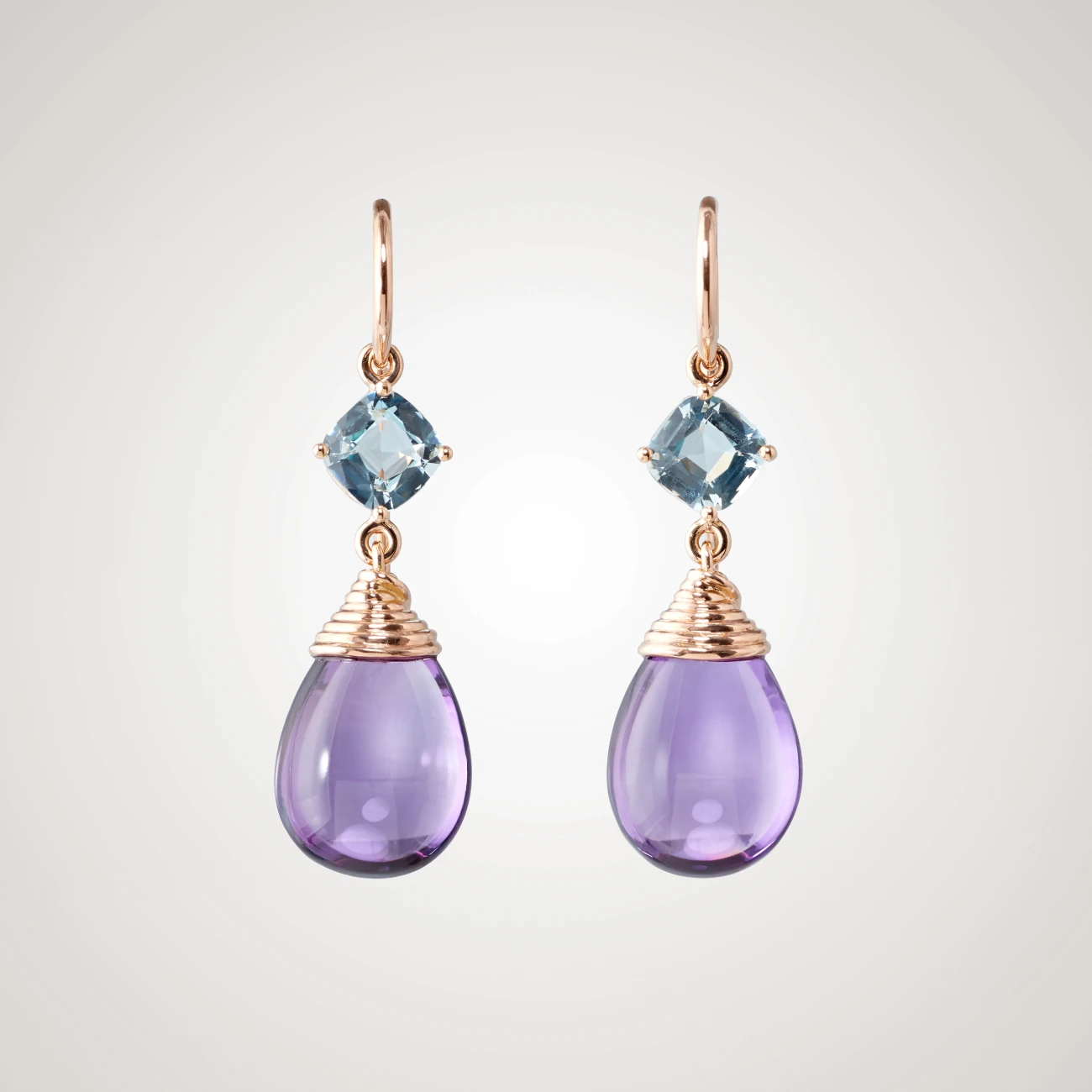
Jeu Dor 2
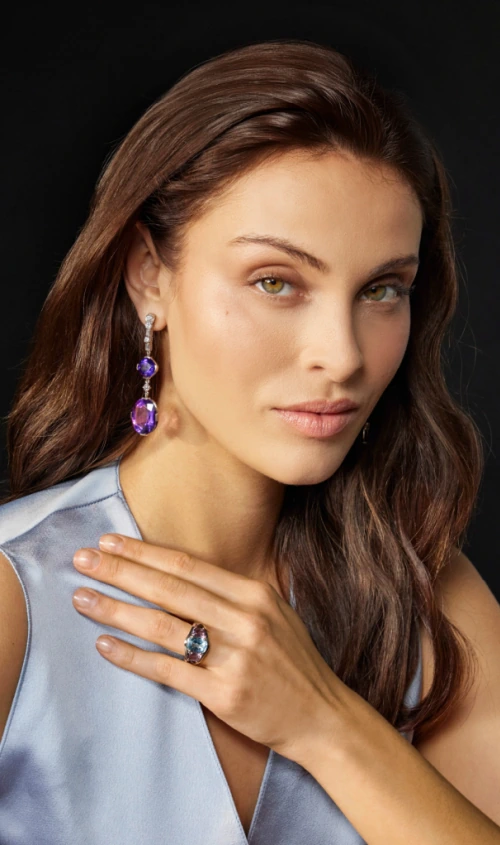
Amethysts and aquamarines in rose gold
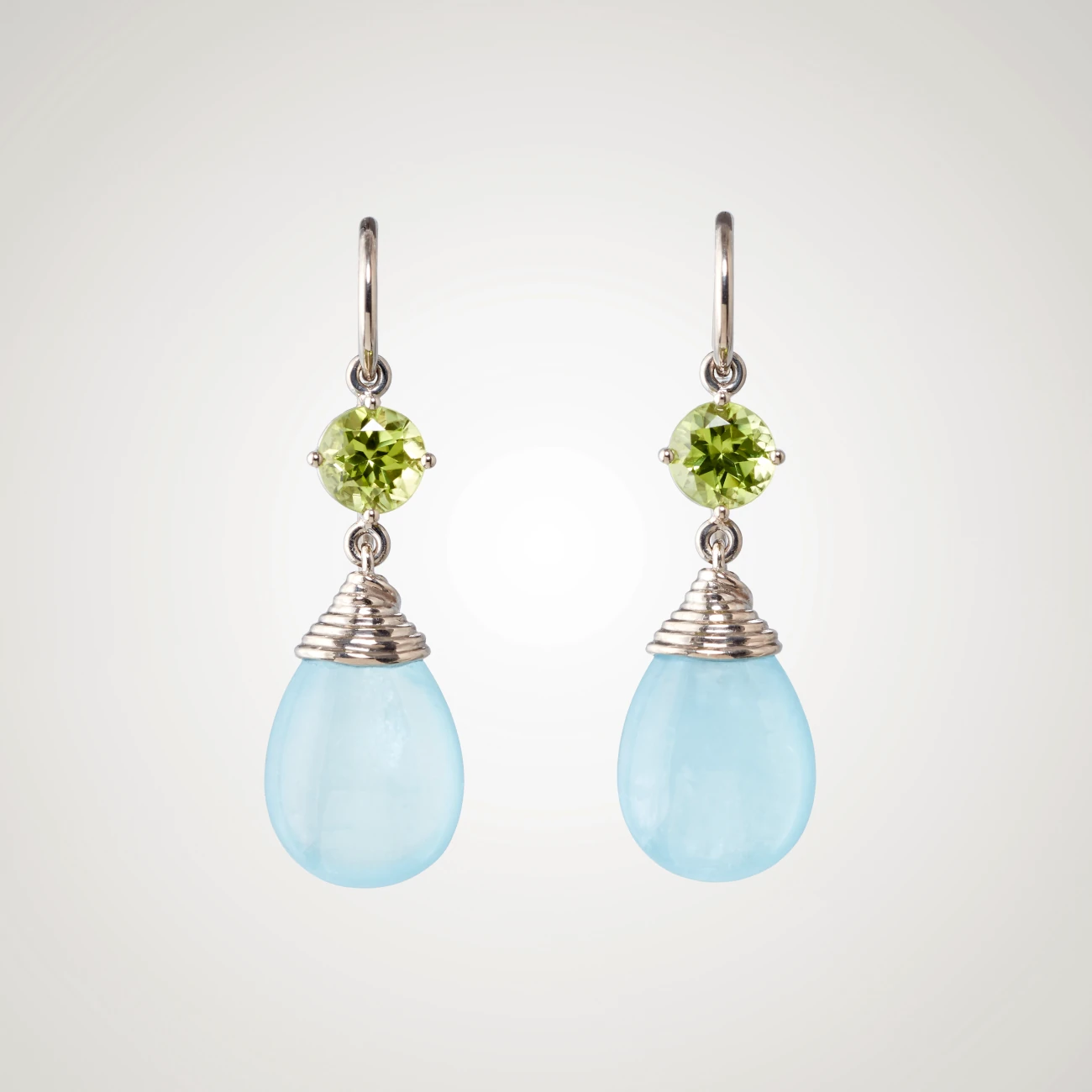
Jeu Dor 3
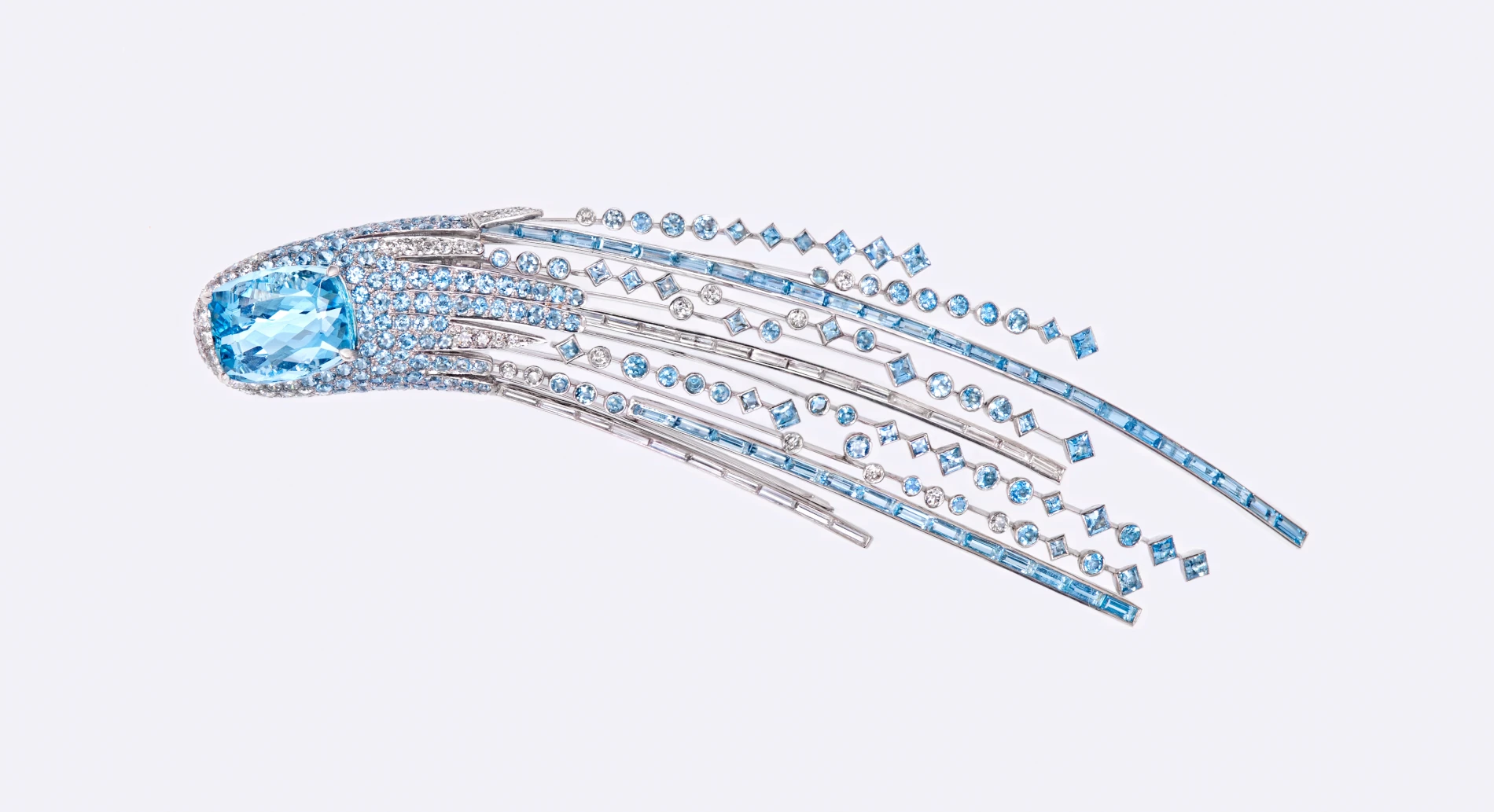
Aquamarines and peridots in white gold
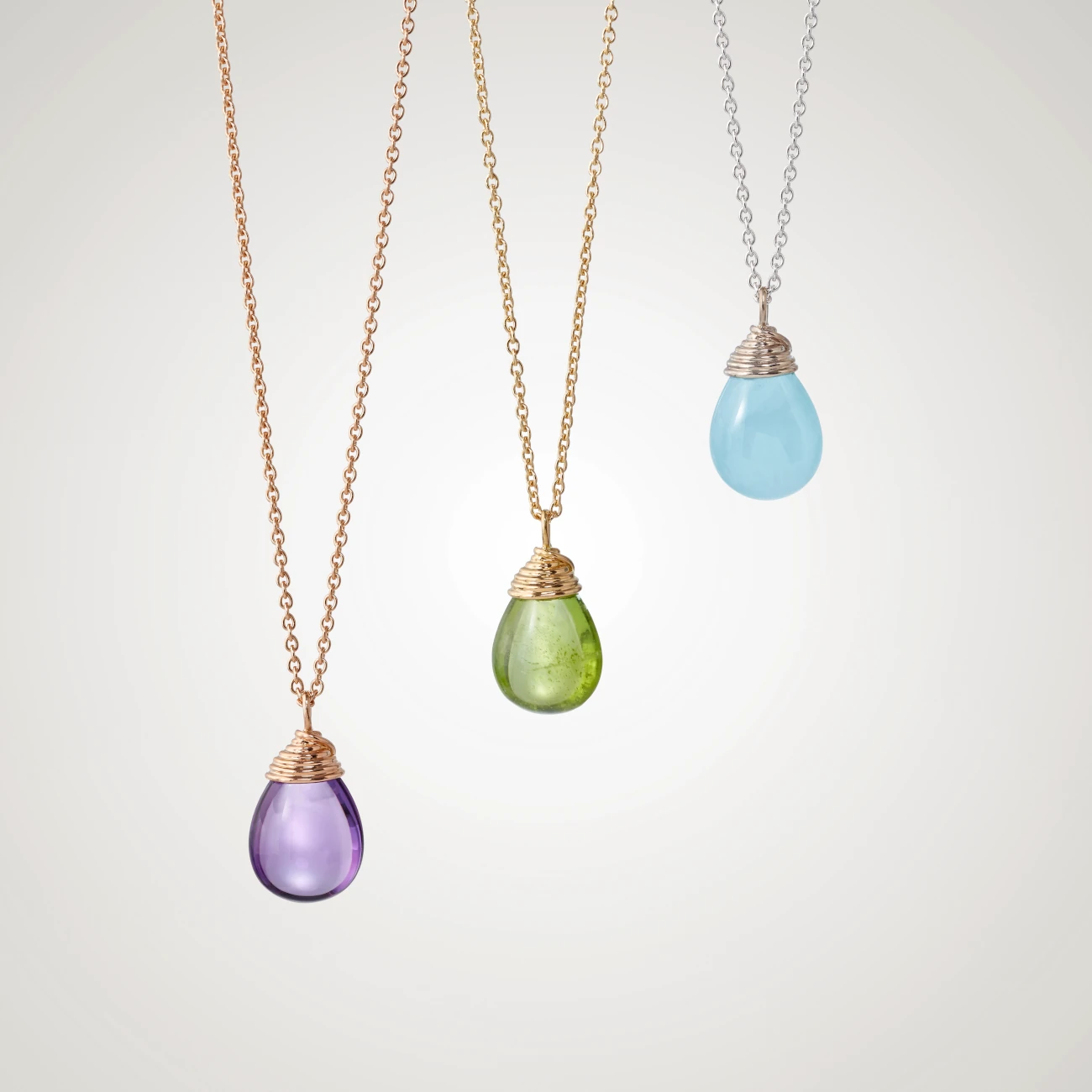
Jeu Dor 4
Amethyst, peridot or aquamarine in rose-, yellow- or white gold

Cross
Tourmalines and aquamarines
or aquamarines and tansanites
in rose or white gold
or aquamarines and tansanites
in rose or white gold

Serene
Aquamarines and tansanites in white gold
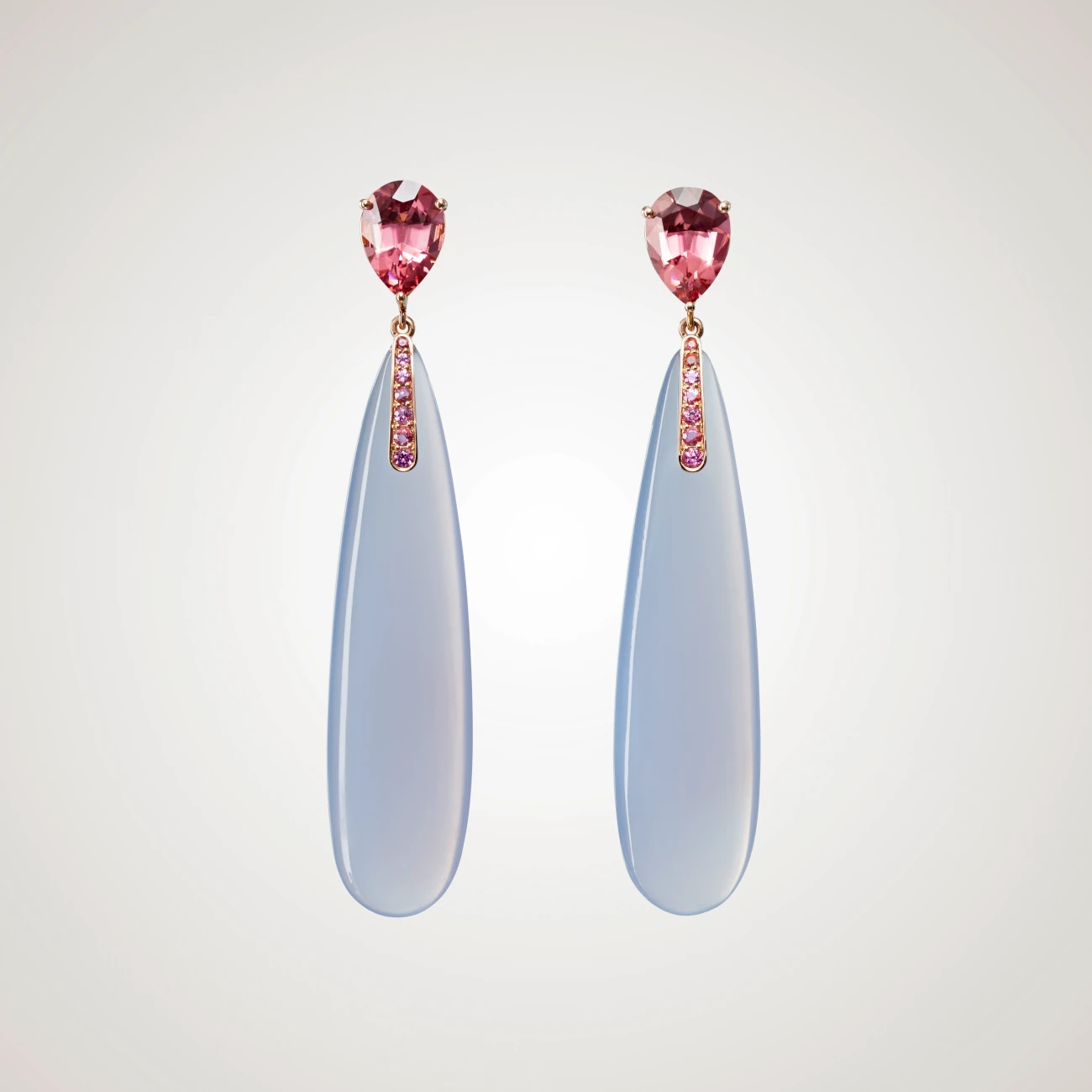
Lilac
Chalcedony, pink tourmalines and garnets in rose gold
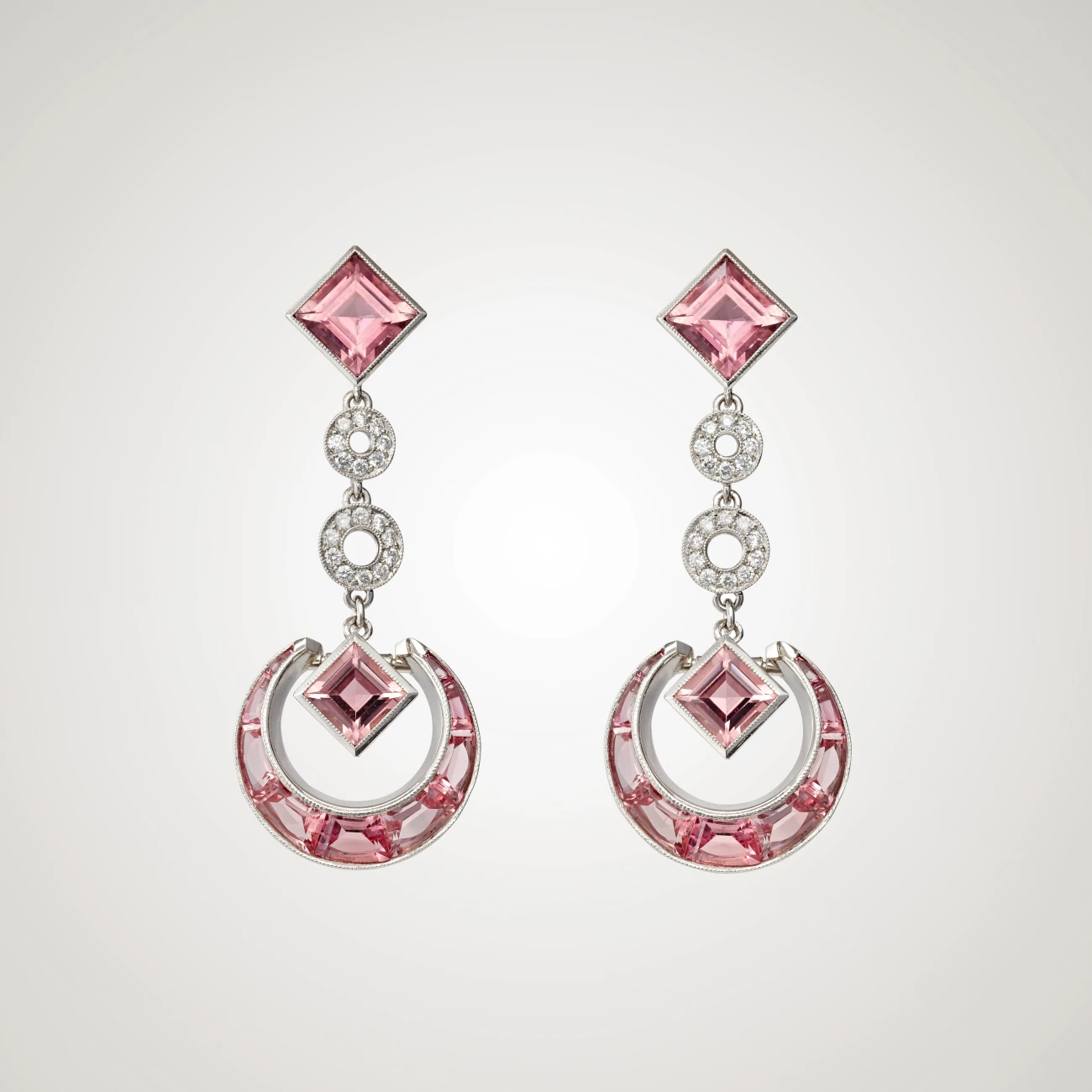
Crescent
Tourmalines and diamonds in platinum
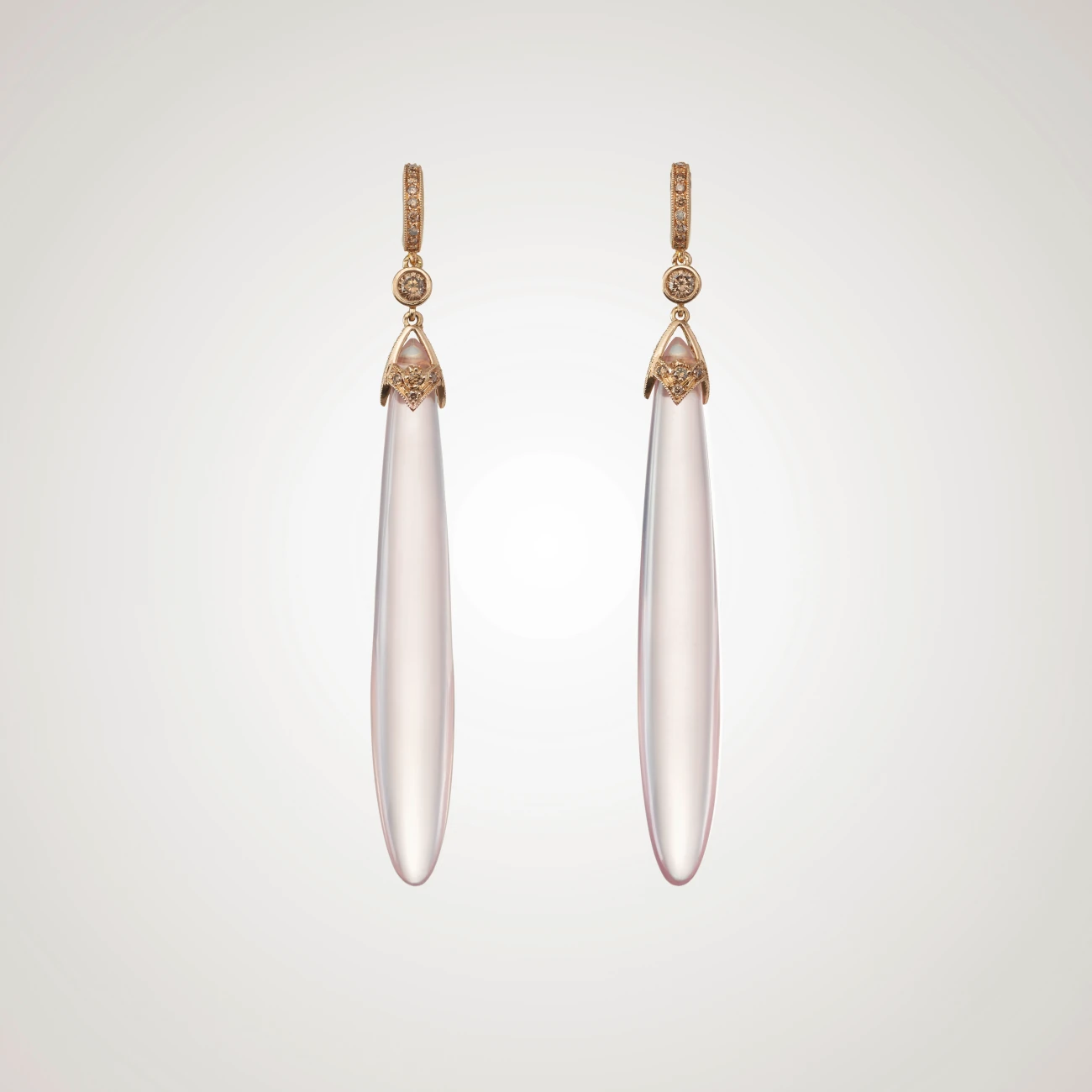
Pink Blossom
Rose quartz and diamonds in rose gold

Mandalay
Amethysts, pink sapphires and
white jade in rose gold
white jade in rose gold
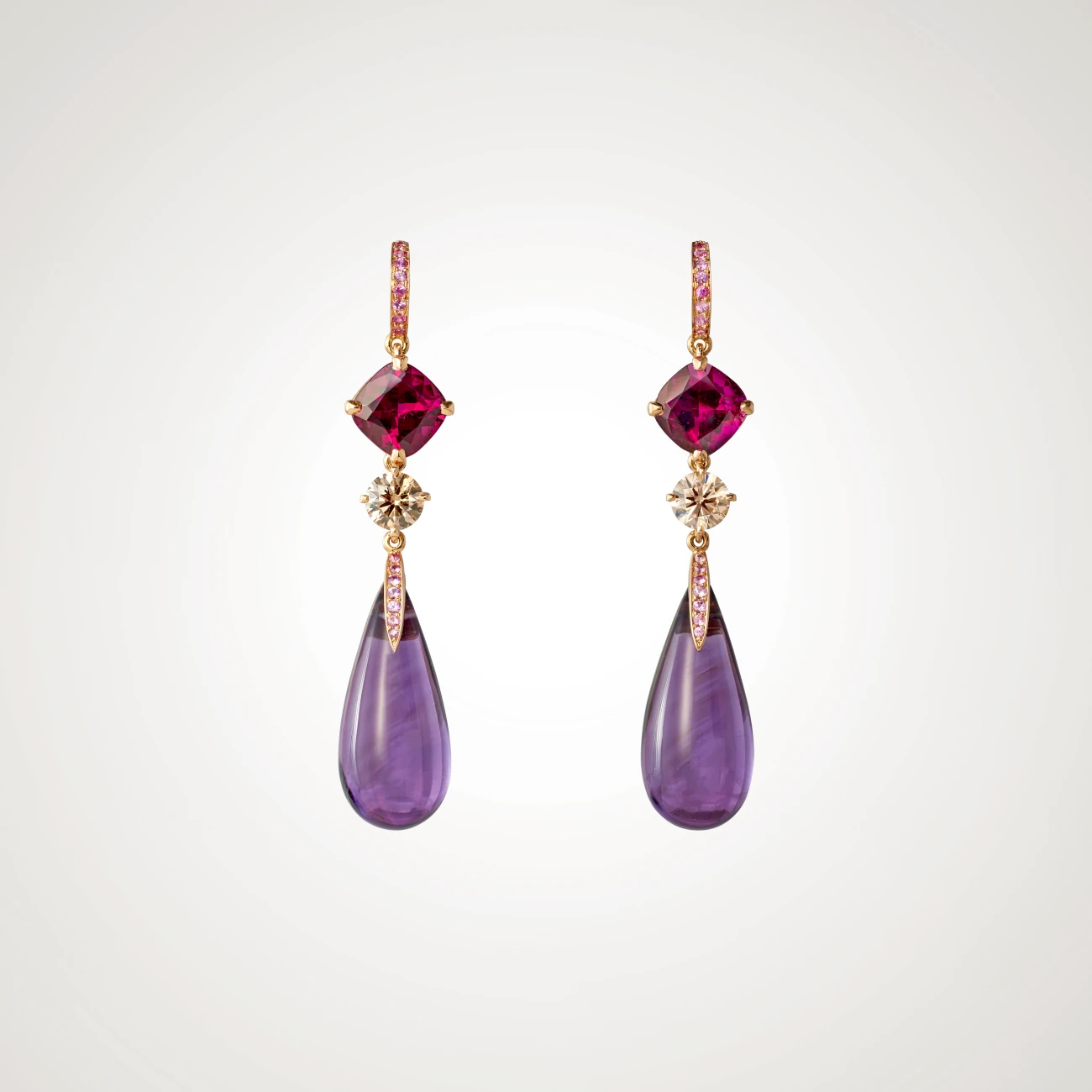
Purple Rose
Amethysts, pink sapphires, diamonds and garnets in rose gold
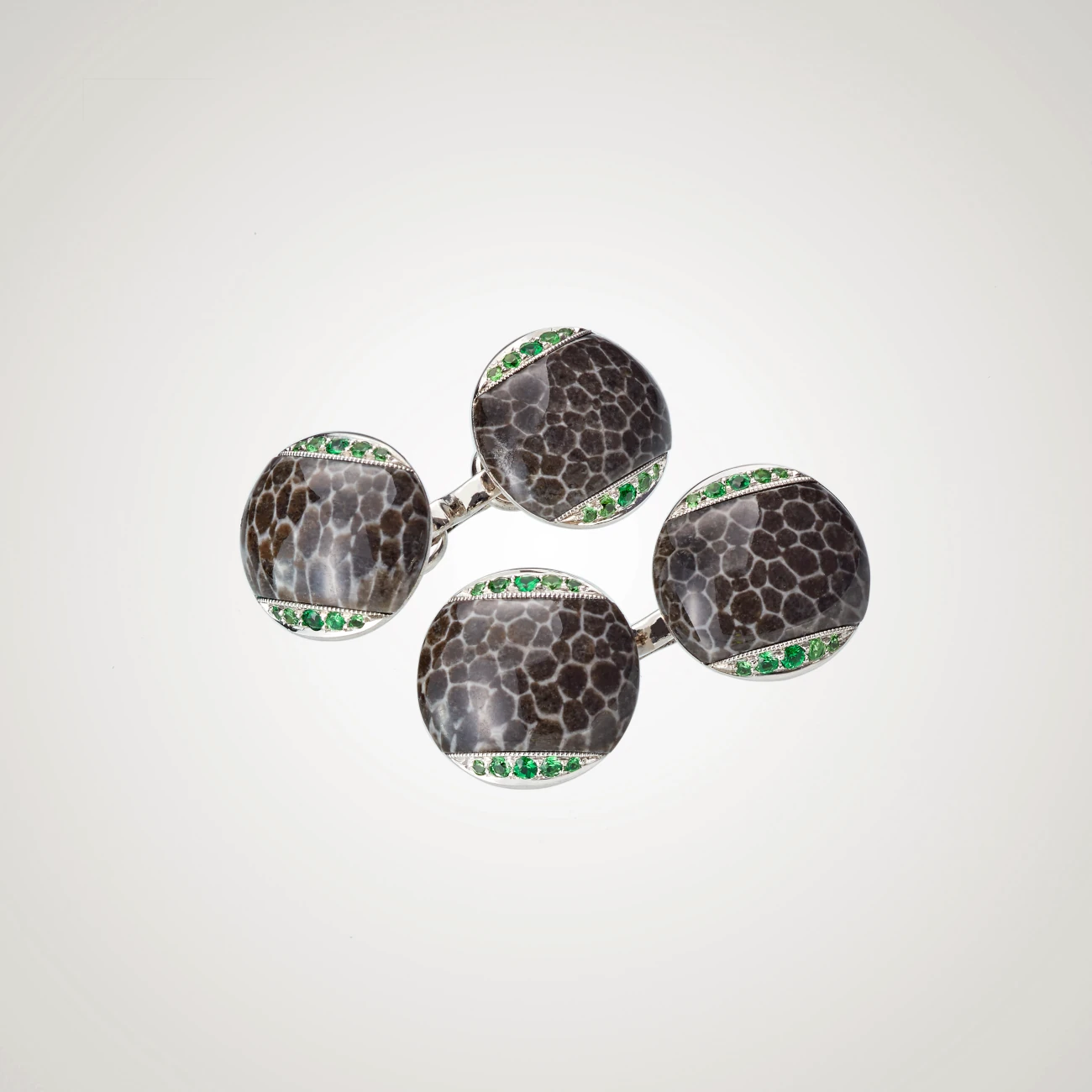
Camouflage
Petrified coral with tsavorites in white gold
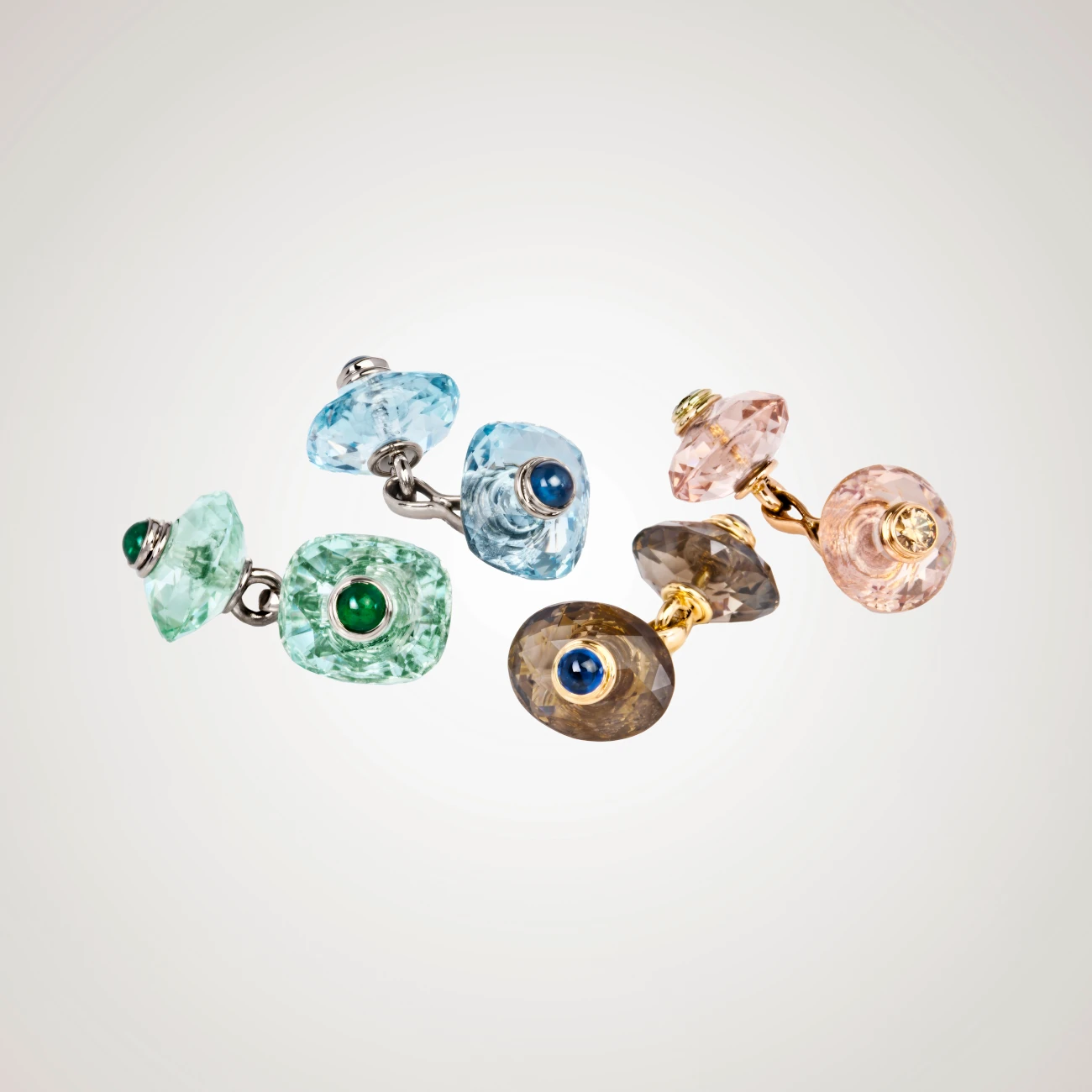
Cristal
Aquamarine, green beryl, smoky quartz and morganite with sapphire,
emerald and diamond center stones
emerald and diamond center stones
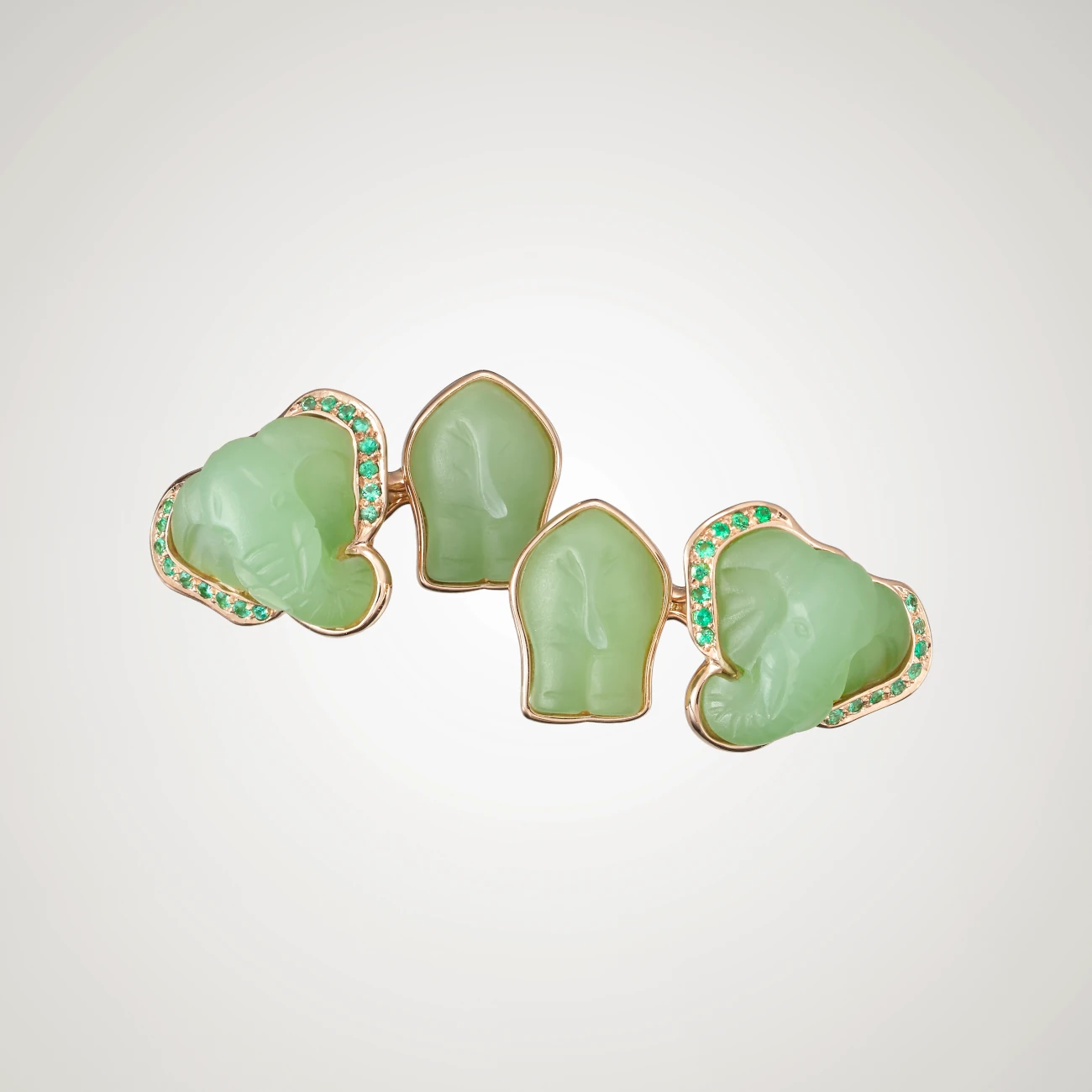
Elephant
Jade and emeralds in rose gold
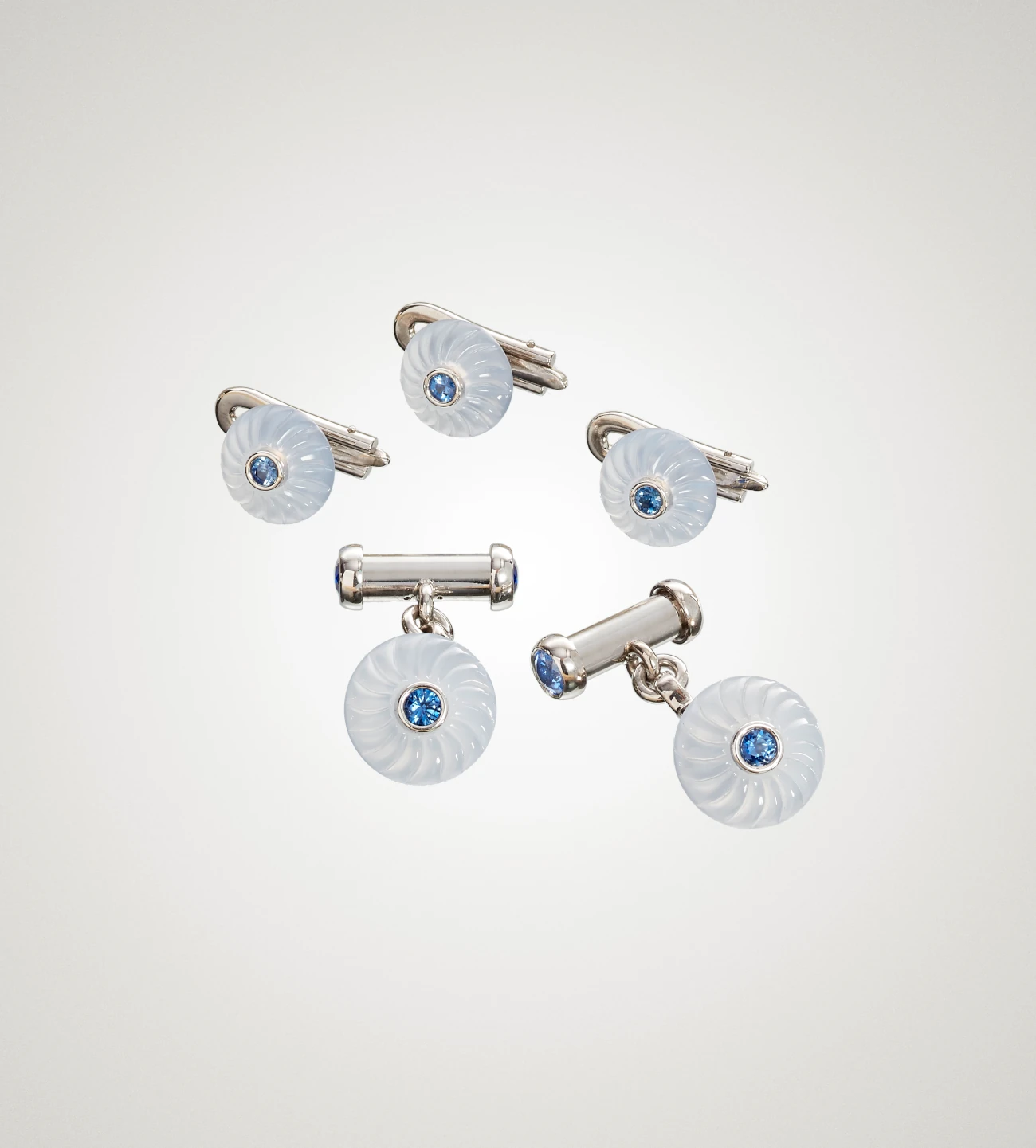
Gem Set 1
Chalcedony and sapphires in white gold
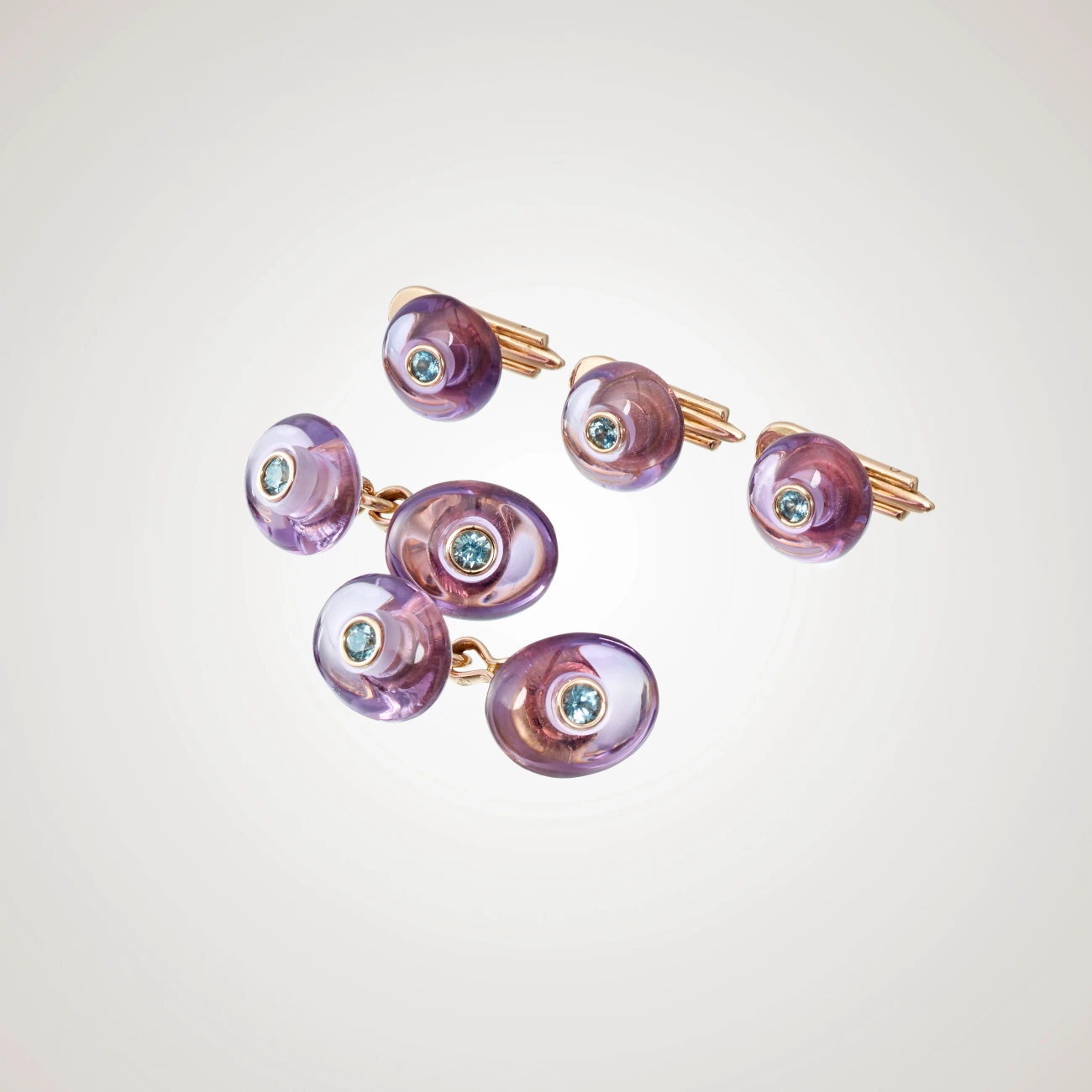
Gem Set 3
Aquamarines and peridots in platin
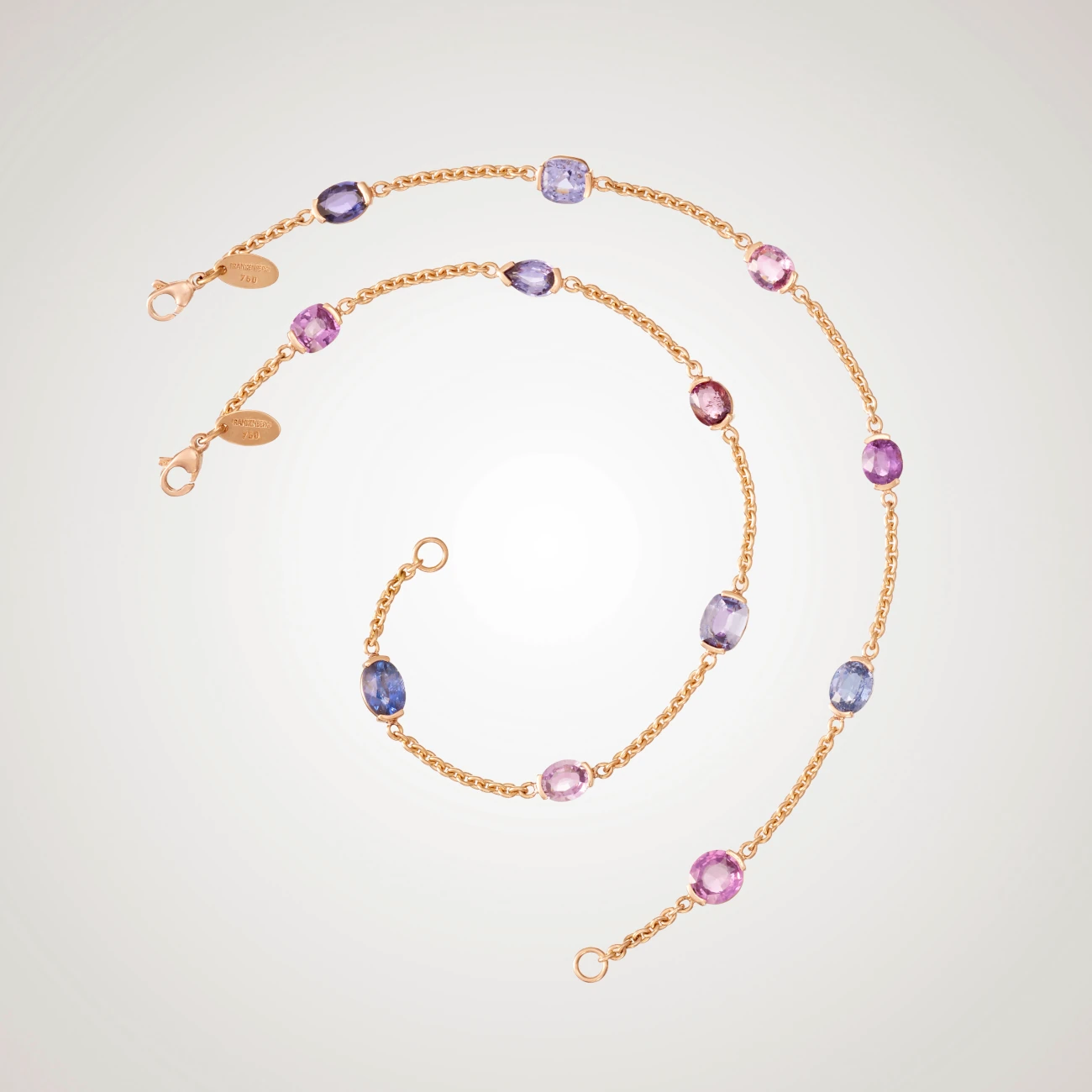
Ceylon
Sapphires “Multicolor” in rose gold

Greece
Pink tourmaline in bronze
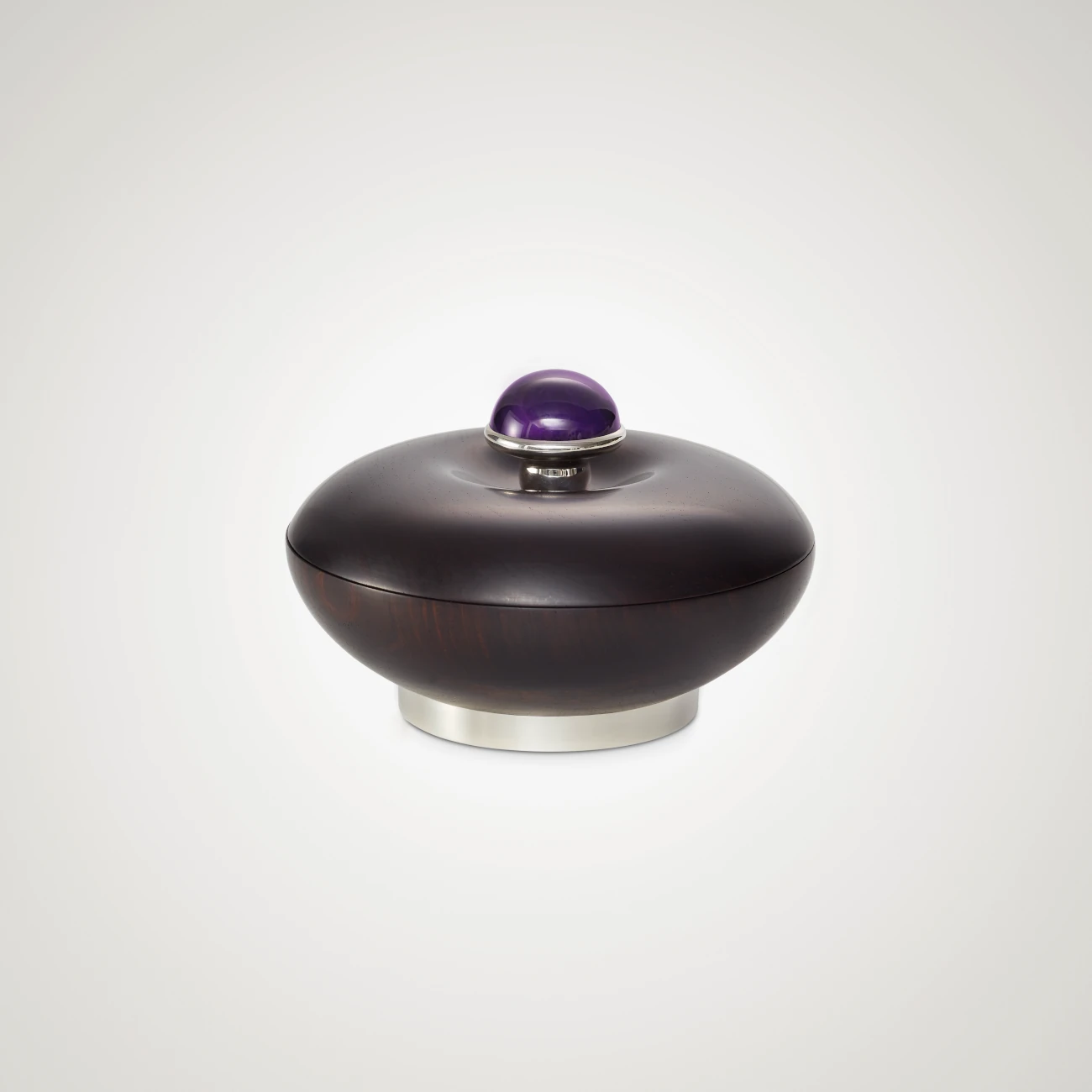
Mushroom
Wooden box with sterling silver applications and amethyst
view all
show less